 Business License

Top Practices for Using a Sterilization Pouch Sealer for Sterility Now 2
Avoid Overloading
Overfilling pouches can lead to improper seals and reduced sterilization effectiveness. Leave adequate space to allow proper sealing and sterilant penetration.
These preparation steps help prevent seal failures and ensure a smoother sterilization process.
Best Practices during Sealing
Correct sealing technique is vital for maintaining sterility. Here are the key practices to follow.
Maintain Proper Temperature Settings
Incorrect temperatures can lead to weak seals or pouch damage. Always follow manufacturer guidelines and verify temperature settings before operation.
Ensure Uniform Pressure
Consistent pressure ensures an even seal across the pouch. Uneven pressure may create small gaps that compromise sterility.
Position Pouches Correctly
Align pouches carefully within the sealing area. Misalignment can result in incomplete or distorted seals.
When using a Pouch sealer, consistency is essential. Develop a standard operating procedure so that every team member follows the same process. This minimizes variability and enhances reliability.
Post-Sealing Inspection
Sealing does not end when the machine finishes its cycle. Inspection is necessary to confirm sterility integrity.
Visual Inspection
Check for:
Smooth, continuous seals No wrinkles or gaps Proper seal width No burn-through or weak spots Seal Strength Testing
Periodic seal strength tests can confirm whether sealing parameters remain effective. This is especially important in high-volume sterilization environments.
Routine inspections prevent compromised instruments from entering clinical or laboratory use.
Storage and Handling after Sealing
Even perfectly sealed pouches can lose sterility if stored improperly.
Maintain Clean Storage Areas
Store sterilized items in clean, dry environments away from dust and humidity.
Avoid Excessive Handling
Frequent handling increases contamination risk. Handle sealed pouches only when necessary.
Follow First-In, First-Out Practices
Use older sterilized items first to maintain freshness and compliance with storage guidelines.
Proper storage extends the lifespan of sterilized instruments and ensures patient safety.
Regular Maintenance of Equipment
Maintenance directly impacts sealing quality. Neglecting upkeep can lead to inconsistent seals and potential contamination risks.
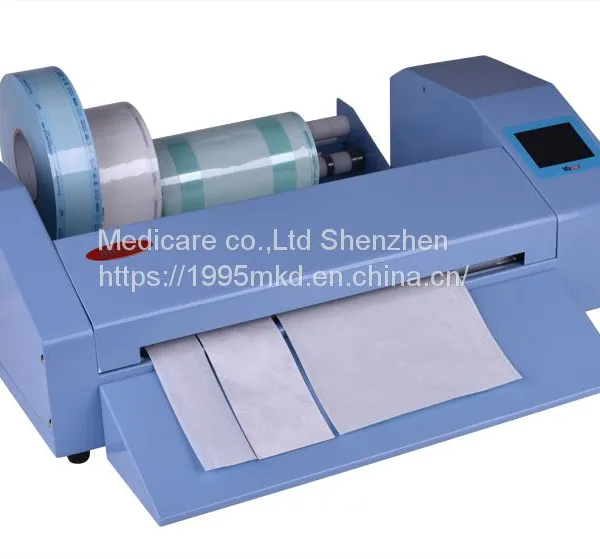
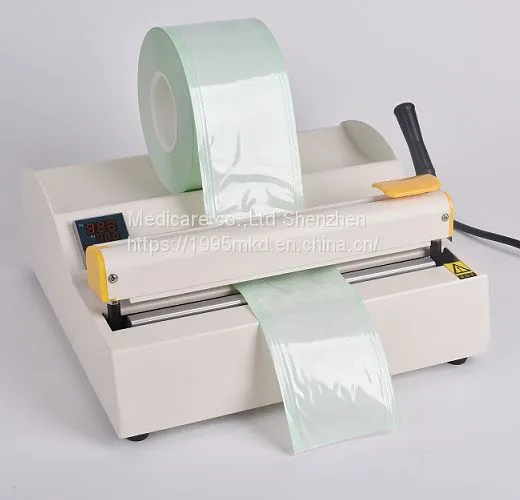
A Pouch sealer should undergo regular checks to maintain performance and sterility assurance.
Cleaning the Sealing Surface
Residue buildup can interfere with sealing efficiency. Clean surfaces regularly using approved cleaning methods.
Checking Heating Elements
Faulty heating components can cause uneven seals. Periodic inspection helps detect issues early.
Calibration and Servicing
Scheduled calibration ensures temperature accuracy and operational reliability.
Consistent maintenance not only improves performance but also extends equipment lifespan.
Training and Staff Awareness
Even the best equipment cannot compensate for improper use. Staff training is crucial.
Training should include:
Proper loading techniques Temperature setting adjustments Seal inspection methods Maintenance protocols Infection control standards Regular refresher sessions help maintain high standards and reduce operational errors.
Common Mistakes to Avoid
Awareness of frequent mistakes can significantly improve sealing outcomes.
Some common issues include:
Using damaged pouches Incorrect temperature settings Overloading instruments Skipping seal inspections Ignoring maintenance schedules Avoiding these pitfalls helps maintain reliable sterilization workflows.
Compliance and Documentation
Healthcare and laboratory environments often require documentation for sterilization processes.
Maintain records such as:
Equipment maintenance logs Seal quality checks Sterilization cycle details Staff training records Proper documentation supports regulatory compliance and quality assurance.
Benefits of Following Best Practices
Implementing these practices provides several advantages:
Enhanced infection control Reduced contamination risks Improved equipment longevity Greater operational efficiency Confidence in sterilization outcomes Consistency and attention to detail are the foundation of effective sterilization.
Conclusion
Achieving optimal sterility requires more than simply sealing a pouch. It involves careful preparation, correct equipment use, consistent monitoring, and ongoing maintenance. By following established best practices, organizations can ensure safe instrument handling and reliable sterilization results.
A well-managed sealing process supports patient safety, operational efficiency, and regulatory compliance. Whether in healthcare, research, or industrial settings, attention to sealing quality remains essential for maintaining sterile integrity and professional standards.
Recently Posted
-
Tres elementos esenciales de las máquinas de sellado médico
May 15, 2026Las máquinas de sellado médico utilizadas para el envasado de esterilización final deben contar con tres elementos esenciales: tem Read More
 -
Função de Validação de Seladoras Médicas
May 14, 2026A norma final para embalagens de esterilização de dispositivos médicos, ISO 11607-2, exige que as seladoras médicas possuam funcio Read More
 -
Três Elementos Essenciais das Seladoras Médicas
May 14, 2026As seladoras médicas utilizadas para embalagens esterilizadas devem possuir três elementos essenciais: temperatura, tempo e pressã
Read More -
Validation Function of Medical Sealing Machines
May 14, 2026The final medical device sterilization packaging standard ISO 11607-2 requires medical sealing machines to have validation functio
Read More

Contact Us
Recommended Products
-
 MD900 UDI Print SealerUS$ 2860MOQ: 1 Piece
 -
MD930 UDI Dual-Print SealerUS$ 2980MOQ: 1 Piece
-
MDcare MD500 Baking Enamel Sealer Cuting 45cm Wideth Manual Medical Sealing Machine Dental Sterilization Packaging MachineryUS$ 240 - 256MOQ: 1 Set
-
MDcare 880N 5.7'' Touch Screen Stainless Steel Medical Sealer Printing Blood Bag Tube MachineUS$ 2100 - 2220MOQ: 1 Piece
-
MDcare MD 880V 5.7\'\' Touch Screen Auto Continuous Sealer With Printer Medical Printing Blood Bag Tube Sealing MachineryUS$ 2310 - 2430MOQ: 1 Piece
-
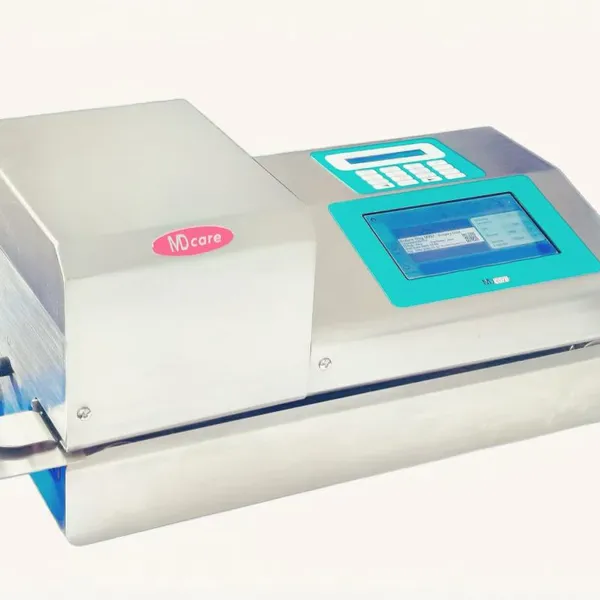
MDcare MD380 Stainless Steel LCD Touch Screen Auto Cutting 60cm Wide Sterilization Medical Printing Blood Bag Tube DeviceUS$ 4750 - 4980MOQ: 1 Piece
-
MDcare MD250 Speed-regulating Automatic ConveyorUS$ 520 - 555MOQ: 1 Piece
-
MD620 Continuous SealerUS$ 810 - 835MOQ: 1 Set
-
MDcare MD386 7\'\' LCD Touch Screen 77cm Length Intellectual Cut-seal-print ComplexerUS$ 3930 - 4200MOQ: 1 Piece
-
MDcare 880N 5.7\'\' Touch Screen Stainless Steel Medical Sealer Printing Blood Bag Tube MachineUS$ 2190 - 2300MOQ: 1 Piece
-
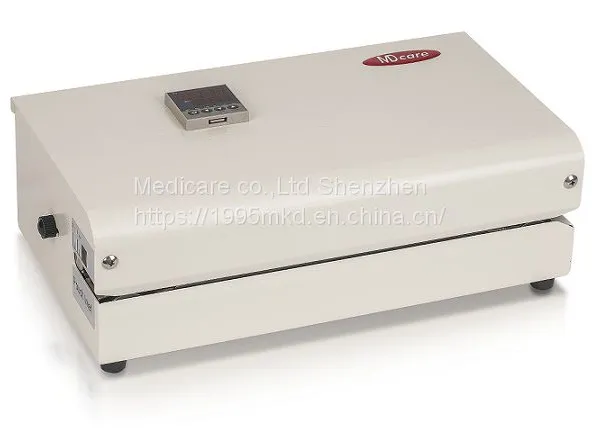
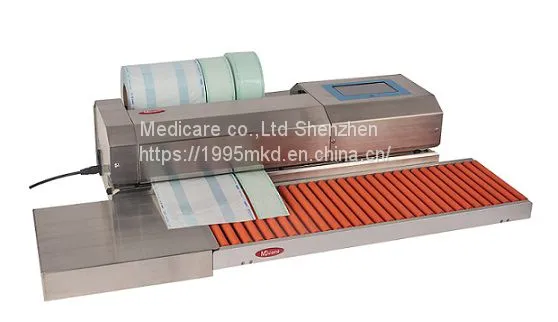
MDcare MD680st Standard Stainless Steel Upper House Baking Enamel Lower Cover Manual Cutter Medical SealerUS$ 920 - 975MOQ: 1 Set
-
MDcare MD8600-A 7\'LCD Capacitive Touch Screen 40CM Sterilization Pouch Continuous Auto Cutter Complexer Dental Printer Sealers 600W 220VUS$ 4630 - 4770MOQ: 1 Set
-
MDcare MD8600-A 7\'LCD Capacitive Touch Screen 40CM Sterilization Pouch Continuous Auto Cutter Complexer Dental Printer Sealers 600W 220VUS$ 4690 - 4850MOQ: 1 Set
-
MDcare MD385 Stainless Steel 3.5\'\' LCD Touch Screen Auto Cutter 40cm Wide Sterilization Medical Printing Blood Bag Tube Cutting Packaging MachineryUS$ 1720 - 1830MOQ: 1 Piece
-
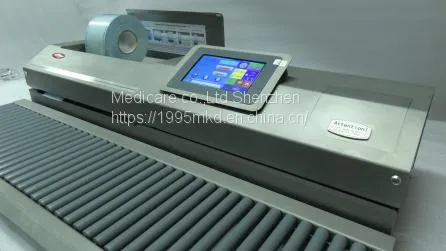
MDcare MD500 Baking Enamel Sealer Cuting 45cm Wideth Manual Medical Sealing Machine Dental Sterilization Packaging MachineryUS$ 250 - 280MOQ: 1 Set
-
MDcare MD8600-B Continuous Auto Cutter Medical Sealing Print 2 Lines 7\'\'LCD Touch Screen 40CM Sterilization Pouch Complexer 600W 220VUS$ 4900 - 5050MOQ: 1 Set
-
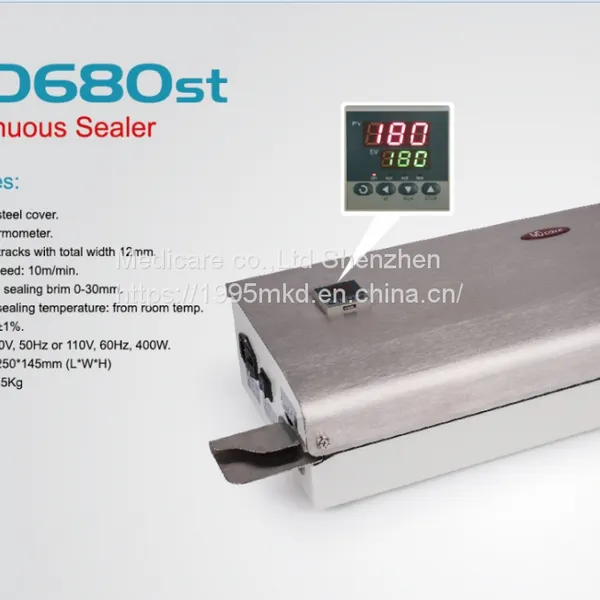
MDcare MD680st 400W 220V Continuous Medical Sealer Medical Dental Auto Cutter 1.2cm WidthUS$ 890 - 950MOQ: 1 Piece
-
Medical Sealing Machine l High Temperature Test Card Test Paper Sterilization Paper Plastic BagUS$ 74 - 78MOQ: 1 Case
-
MDcare MD860V Stainless Steel Medical Sealer Printing Blood Bag Tube Sealing MachineryUS$ 1950 - 2090MOQ: 1 Piece
-
MDcare MD660 LCD Screen Continuous Medical Sealer Dental Cutting 1.2cm Width Sterilization MachineryUS$ 780 - 830MOQ: 1 Set